
Restaurant call volume
How to Reduce Restaurant Call Volume Without Missing Orders
Reducing restaurant call volume is not about ignoring guests. It is about giving them a faster path than waiting on hold.
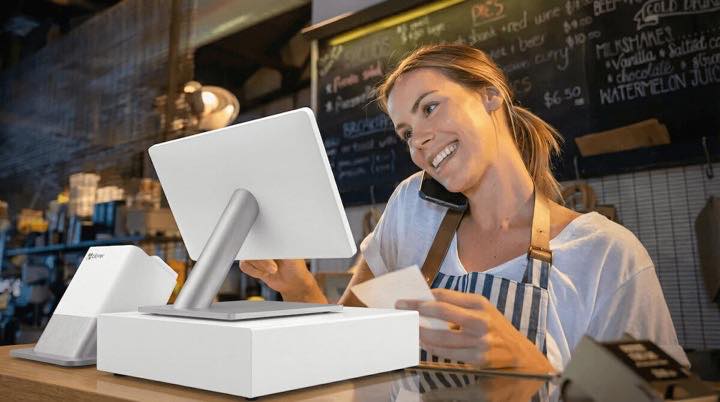
Why restaurant calls become a bottleneck
Phone orders are familiar, but they are hard to scale. During a rush, calls compete with prep, pickup shelves, in-store guests, delivery drivers, and kitchen timing. Every minute on the phone is a minute the team cannot use somewhere else.
In 2026, guests still expect convenience across channels (the DoorDash and SevenRooms 2026 trends report frames the modern guest journey as moving across discovery, delivery, pickup, dine-in, and loyalty). If they call and sit on hold, they may abandon the order, call a competitor, or place the order through a higher-cost channel.
Give callers a better path
A smart phone flow can answer common questions and offer guests a text message with the restaurant's online ordering link. That shift can reduce hold times, improve order accuracy, and keep more orders flowing through the system the restaurant controls.
The first prompt should be clear: if the guest wants to order, send the direct ordering link immediately. Do not bury the highest-intent action behind a long phone tree.
What to include in a call-reduction workflow
- Text a direct online ordering link to callers.
- Answer hours, address, parking, pickup, delivery, and catering questions.
- Route large orders, events, or catering to the right contact.
- Offer app or loyalty reminders when appropriate.
- Leave a path to staff for urgent or unusual situations.
How this improves order accuracy
When guests enter their own selections online, modifiers, quantities, pickup times, and contact details are easier to capture cleanly. Staff do not have to repeat items over a noisy line, and the kitchen gets a clearer ticket.
Online ordering can also present add-ons and menu prompts consistently. That is difficult for a busy employee to remember on every call.
How to measure success
- Missed calls and abandoned calls.
- Online order share after call routing launches.
- Text-link requests and clicks.
- Average ticket size for redirected orders.
- Staff feedback during peak periods.
- Guest complaints about ordering or hold times.
The useful takeaway
The phone should help guests get what they need quickly. If a caller is ready to order, the best service may be a direct link that lets them order accurately without waiting for a staff member to pick up.
FAQ
How can restaurants reduce phone orders?
Use a clear phone menu that answers common questions and lets guests receive the online ordering link by text when they are ready to order.
Will reducing call volume hurt customer service?
Not if the system gives guests a faster path and still leaves a way to reach staff for issues that require a person.
What should restaurants track after adding phone automation?
Track missed calls, text-link requests, online order share, order accuracy, guest complaints, and staff feedback during rush periods.