
AI for restaurants
AI for Restaurant Efficiency: Where Operators Should Start
The best restaurant AI projects start with repetitive work that already slows the team down, not with vague promises to automate everything.
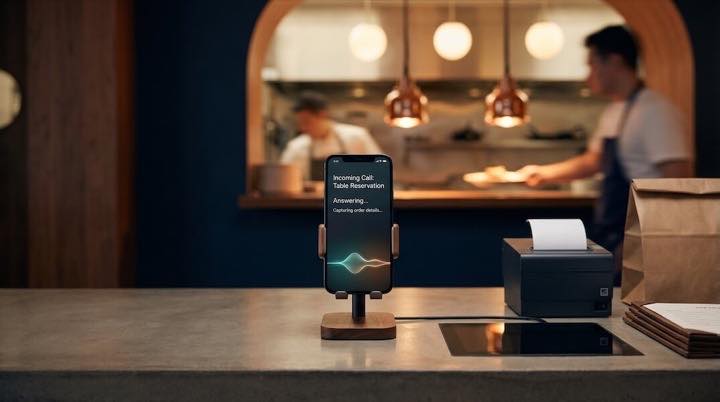
What does AI for restaurants actually mean?
AI for restaurants means using software to handle repeatable work, improve guest communication, and help staff focus on the moments that need human judgment. In 2026, the practical use cases are less about replacing teams and more about reducing friction in ordering, phone calls, marketing, and operations (Toast's Q1 2026 restaurant AI reporting shows operators using AI most often for sales, menu, inventory, guest, marketing, and operations questions).
For operators, the right question is not whether AI is interesting. The right question is where it can remove a bottleneck without creating a new one.
Start with the bottleneck, not the buzzword
Many restaurants feel AI pressure from every direction: voice agents, campaign writing, guest data, inventory forecasting, scheduling, review response, and menu optimization. The safest starting point is a workflow that is already repetitive, measurable, and painful.
Phone calls are a strong example. Calls often arrive during rushes, guests ask the same questions, staff get pulled from prep or service, and missed calls can turn into missed orders. AI and automation are useful when they answer, route, or text the right link quickly.
High-value restaurant AI use cases in 2026
- AI phone answering. Answer common questions, route callers, and help guests reach online ordering without waiting on hold.
- Order routing. Send guests to the right direct channel for pickup, delivery, catering, or app ordering.
- Marketing assistance. Draft email, SMS, and push campaigns faster while keeping operator approval in place.
- Audience selection. Identify lapsed guests, loyal regulars, high-value customers, and likely catering buyers.
- Guest feedback workflows. Route reviews, complaints, and post-order feedback to the right next action.
What restaurant operators should avoid
Avoid AI tools that require the team to review everything, duplicate data entry, or explain confusing answers to guests. If a tool creates more work than it removes, it is not improving efficiency.
Restaurants should also keep people in control of brand voice, menu accuracy, refund decisions, sensitive guest issues, and unusual service situations. AI should handle repeatable flow. Humans should handle hospitality and judgment.
How to evaluate restaurant AI vendors
- Does the tool solve a specific operating problem?
- Can staff update the workflow without a complex technical process?
- Does it connect to ordering, loyalty, phone, or guest data already used by the restaurant?
- Can the restaurant measure missed calls, online order share, campaign revenue, or time saved?
- Does it make the guest experience clearer?
The useful takeaway
AI is most valuable when guests move faster and staff are interrupted less often. Start with one measurable workflow, prove that it improves service, then expand from there.
FAQ
What is the best first AI use case for restaurants?
Start with a repetitive, measurable workflow such as phone answering, order routing, common guest questions, review response, or lapsed-guest marketing.
Should AI replace restaurant staff?
No. The strongest use case is reducing repetitive interruptions so staff can focus on food, service, hospitality, and exceptions that need human judgment.
How should restaurants measure AI efficiency?
Track missed calls, hold time, online order share, staff interruptions, guest complaints, campaign revenue, and whether guests complete the task more easily.